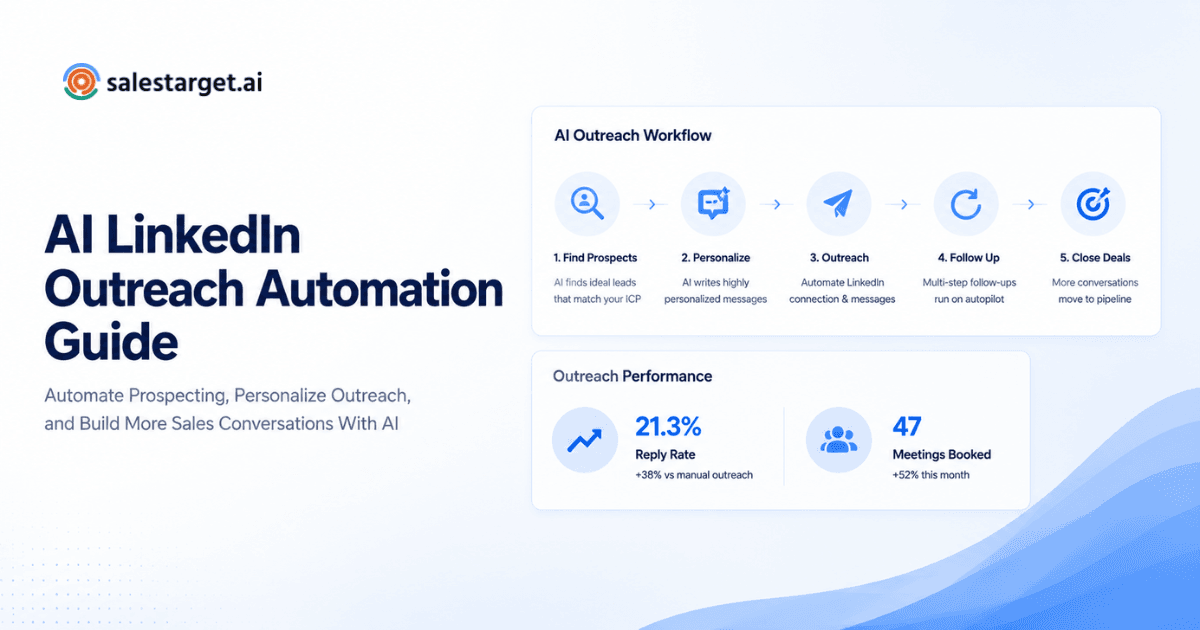
LinkedIn used to feel like an untapped goldmine for B2B outreach. That era is over. Inboxes are crowded, connection acceptance rates keep sliding, and buyers can spot a copy-paste pitch in seconds. Sales teams are still expected to hit pipeline targets, but the runway to do it all manually keeps shrinking. That is where a LinkedIn Automation Platform earns its place in the modern go-to-market stack — not as a shortcut, but as a system that removes repetitive work, protects sender reputation, and lets reps spend their time on real conversations. In this guide, we will walk through what modern automation actually does, which features matter most, how to pick the right tool, and the habits that keep your account safe while your pipeline grows.
What Makes a Modern LinkedIn Automation Platform Different ?
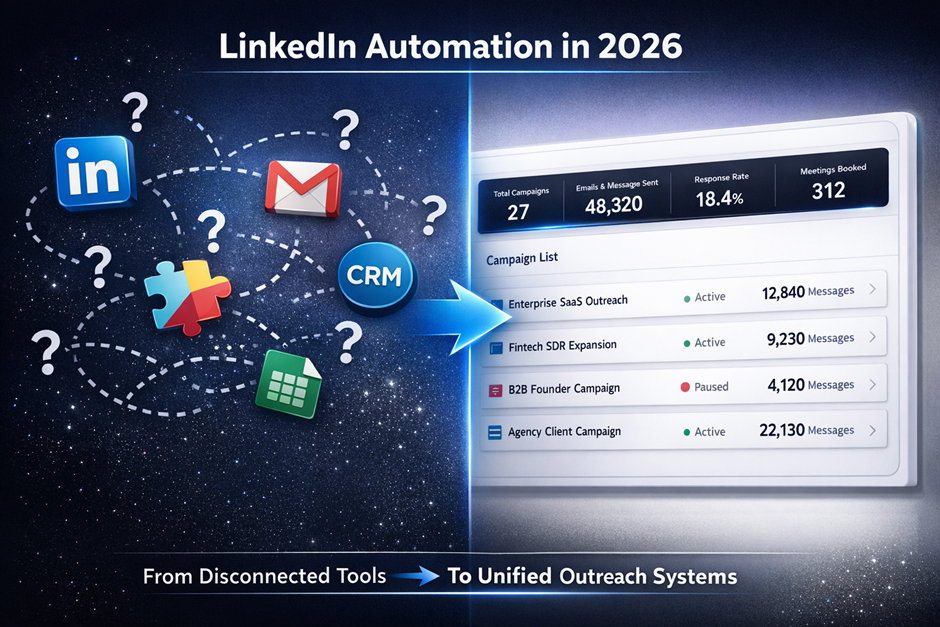
Early automation tools were blunt: send a connection request, wait a few days, send a follow-up, repeat. Reps got sore fingers, LinkedIn got suspicious, and prospects got annoyed. Today's platforms operate very differently. They combine multi-step sequences, AI-driven personalization, safety guardrails that mimic human behavior, and — critically — data hygiene layers that filter out invalid or low-fit prospects before a single message goes out. Instead of blasting the same InMail to 500 strangers, modern LinkedIn automation software orchestrates campaigns that adapt based on how each prospect responds. The best platforms plug directly into your CRM, so nothing lives in a silo and your reps never lose the thread.
Why Manual LinkedIn Outreach Doesn't Scale ?
Even the sharpest SDRs hit a ceiling. LinkedIn Outreach Automation exists because human bandwidth simply doesn't stretch to meet quota-driven volume.
Consider what a rep juggles every day:
- Building targeted lists from Sales Navigator
- Researching each prospect's role, company, and recent activity
- Writing a fresh opener that doesn't sound templated
- Tracking who accepted, who replied, and who ghosted
- Following up on multiple threads without letting anyone slip
Do the math and a rep sending 50 personalized touches a day is realistically doing three to four hours of admin work for every hour of actual conversation. According to LinkedIn's State of Sales report, top-performing sellers spend significantly more time in front of buyers than the average rep. That gap almost always comes down to how well their tools handle the repetitive layer — the research, sequencing, and follow-up that never should have been manual in the first place.
Core Features Every LinkedIn Automation Platform Should Offer
Not every tool is worth your budget. Look for these fundamentals before you sign a contract.
Multi-Step Sequences
Campaigns should blend profile visits, follows, connection requests, messages, and InMails with configurable delays - not just a rigid two-step flow. A good sequence builder lets you branch based on prospect behavior, so accepters get a different path than non-responders.
AI Personalization
Strong AI pulls context from a prospect's profile or company page and drafts openers that reference something real, not just "Hey {firstName}, love your work." Personalization is what separates campaigns that get replies from campaigns that get reported as spam.
Lead Validation
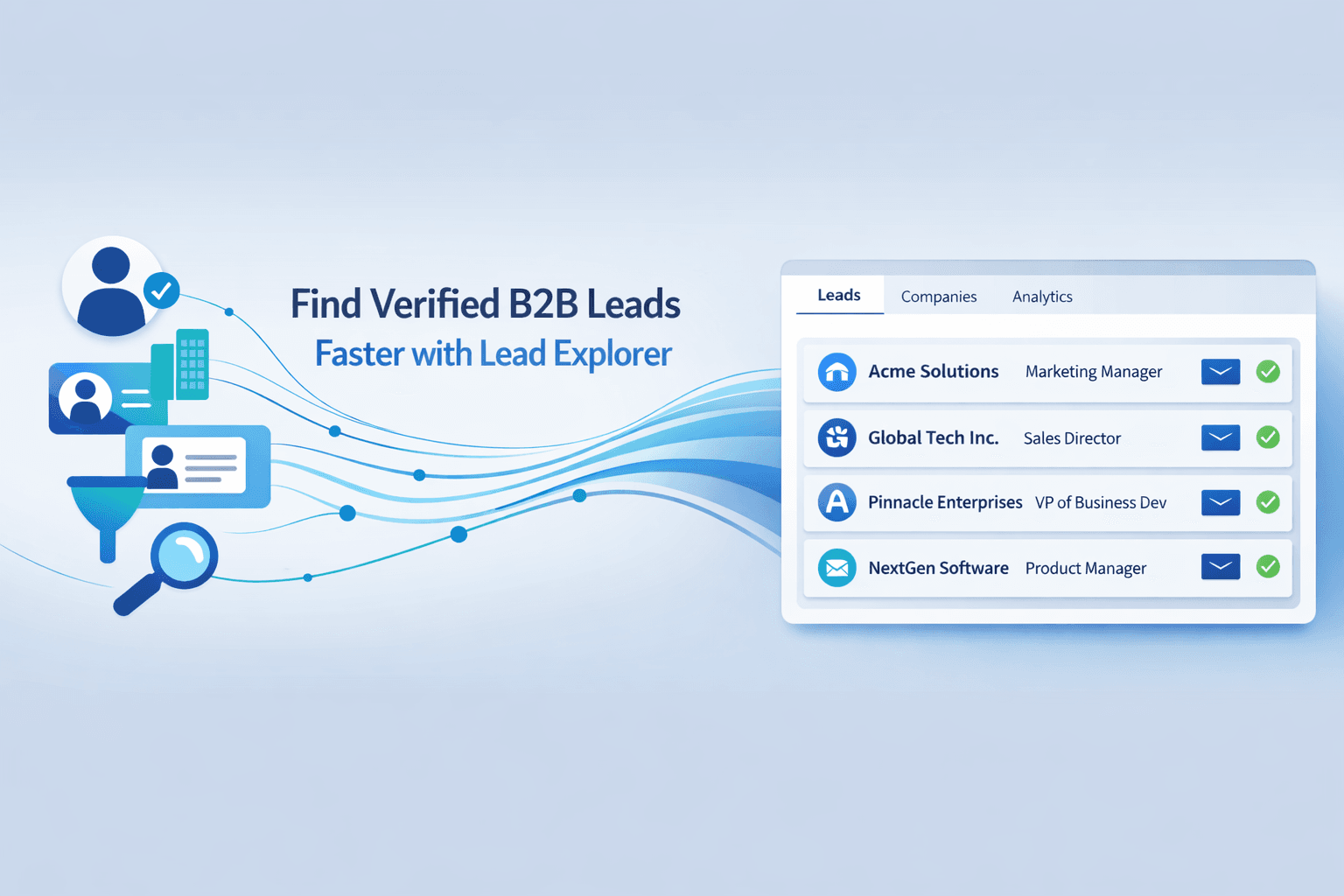
This is where most tools fall short. A serious LinkedIn Automation Platform validates each prospect against firmographic and role signals before adding them to a campaign. Lead Validation weeds out out-of-office profiles, mismatched titles, and companies outside your ICP so your sequences target people who can actually buy. Skip this step and you'll burn your daily send limits on prospects who never had a reason to reply.
Unified Inbox and CRM Sync
Replies should flow into a single inbox and sync back to HubSpot, Salesforce, or Pipedrive without any manual copy-paste. Managers need visibility; reps need speed.
Analytics and Safety Controls
Daily action caps, randomized delays, warm-up modes, and campaign-level reporting are non-negotiable. Look for a platform that treats your LinkedIn account like an asset worth protecting.
How LinkedIn Sales Automation Improves Pipeline Quality ?
Volume alone doesn't fill pipeline; quality does. Well-designed LinkedIn Sales Automation lifts the numbers that actually matter for revenue teams — reply rates, meetings booked, and deals moved to opportunity.
A few mechanics drive the improvement:
- Cleaner lists produce cleaner conversations. When invalid leads are stripped before outreach, reply rates rise because the audience genuinely matches your offer.
- Consistent follow-up beats sporadic effort. Automated cadences make sure no promising thread dies at touch two.
- Better data feeds better decisions. Campaign analytics reveal which openers, industries, and job titles convert, so you double down on what works and cut what doesn't.
Teams that pair automation with disciplined targeting often watch reply rates climb from the low single digits into double-digit territory. The downstream impact shows up in shorter sales cycles and less friction between marketing and sales, because everyone is working from the same clean prospect data. For a deeper breakdown of how this plays out in day-to-day selling, our LinkedIn Sales Automation guide walks through the exact playbook top SDR teams use to book more meetings.
Choosing the Right LinkedIn Automation Tool
Shopping for a LinkedIn Automation Tool can feel overwhelming — the category has exploded, and every vendor claims to be the safest and the smartest. Cut through the noise by evaluating on the fundamentals that actually affect outcomes.
- Pricing that matches your motion. Per-seat pricing suits small teams; usage-based makes more sense for large SDR pods.
- Compliance posture. Cloud-based tools with dedicated IPs are generally safer than raw browser extensions. Ask vendors directly how they handle LinkedIn's Terms of Service.
- Integrations. Native connectors to your CRM, enrichment tools, and email platform save weeks of internal engineering work.
- Scalability. Can the platform support five seats today and fifty next year without breaking?
- Ease of use. If reps need a week of training, adoption will suffer and ROI will follow.
If you're still weighing channels rather than just tools, compare LinkedIn vs Cold Email outreach to see where automation delivers the strongest ROI for your specific motion. The right answer usually blends both.
Best Practices for Safe and Effective LinkedIn Automation
Automation is a force multiplier - it amplifies whatever strategy you feed it, good or bad. A few habits protect both your account and your brand.
- Personalize the opener, always. Even AI-drafted messages should get a quick human review for the first batch of sends per campaign.
- Respect daily limits. Stay comfortably under LinkedIn's soft ceilings; sudden spikes trigger reviews.
- Work only from verified leads. Skip anyone whose title, company, or activity looks stale.
- Sequence across touchpoints. Combine LinkedIn with email or a phone touch for a genuine multi-channel play that meets buyers where they are.
- Monitor deliverability. Track connection acceptance and reply rates weekly; a drop usually means it's time to rotate messaging.
The teams that get the most out of automation treat it like a garden, not a slot machine — constant pruning, testing, and refinement keep it producing.
LinkedIn remains the highest-signal channel in B2B, but the platform now rewards precision far more than volume. A capable LinkedIn Automation Platform gives sales teams the leverage to move at scale without sacrificing the relevance that actually earns replies. Layer strong lead validation on top, and you're not simply automating outreach - you're automating good outreach. That combination is what separates teams that hit quota from teams that grind through it. The final piece is discipline: pick a platform that respects LinkedIn's guardrails, keep your ICP tight, and review your campaigns weekly. When those habits stick, automation stops being a productivity hack and starts becoming an unfair advantage - one that shows up in cleaner data, faster ramp for new reps, and a pipeline that compounds quarter after quarter.
Ready to Automate LinkedIn the Smart Way?
SalesTarget.ai helps sales teams automate LinkedIn safely, validate every prospect before outreach, and turn more conversations into pipeline — without the guesswork or the account risk.