TL;DR
- Using LinkedIn and email in sequence — not in parallel — is the single highest-leverage change most B2B outbound teams can make right now
- Prospects who receive a LinkedIn touchpoint before a cold email are significantly more likely to open and reply — the sender is no longer a stranger
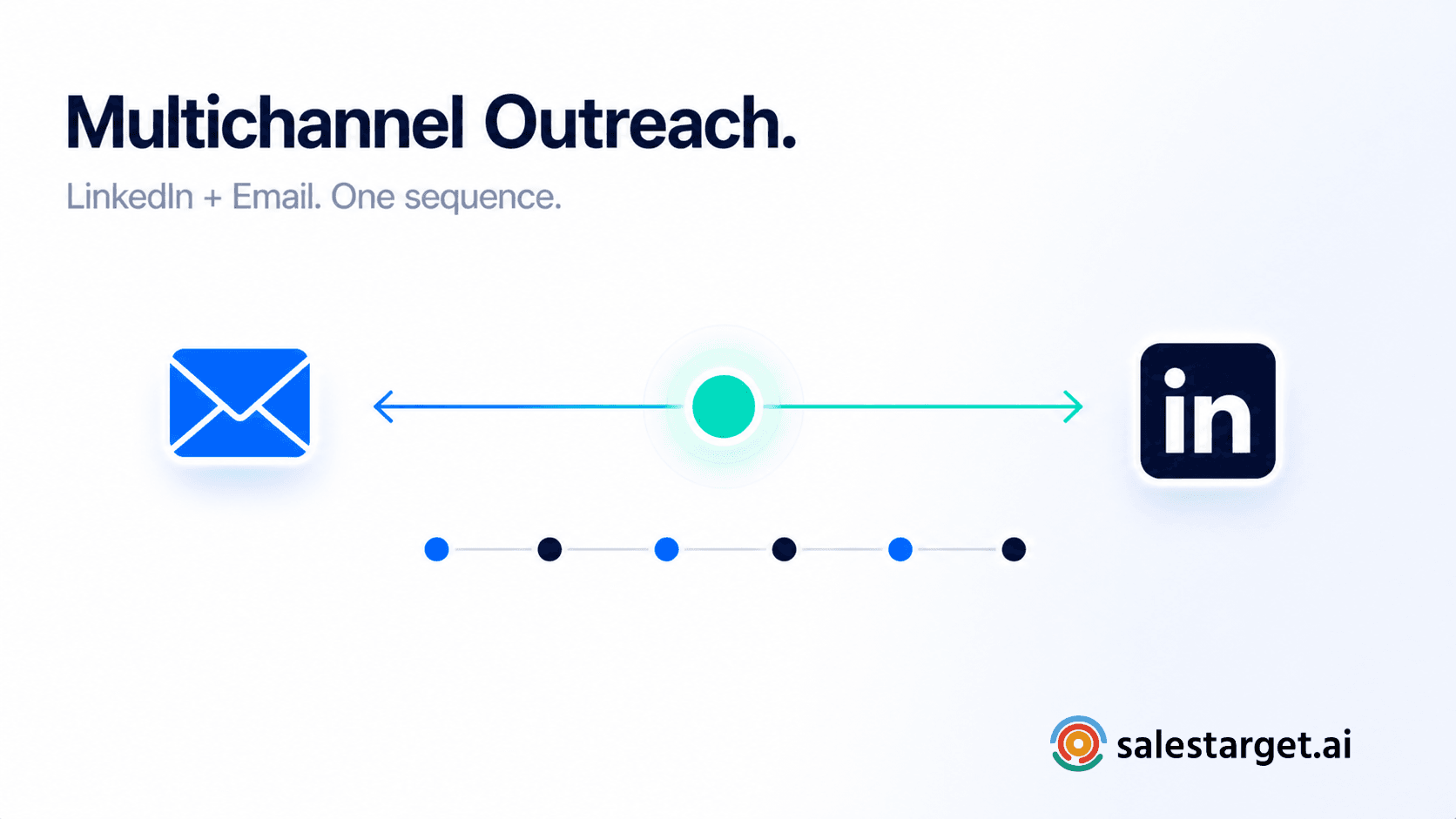
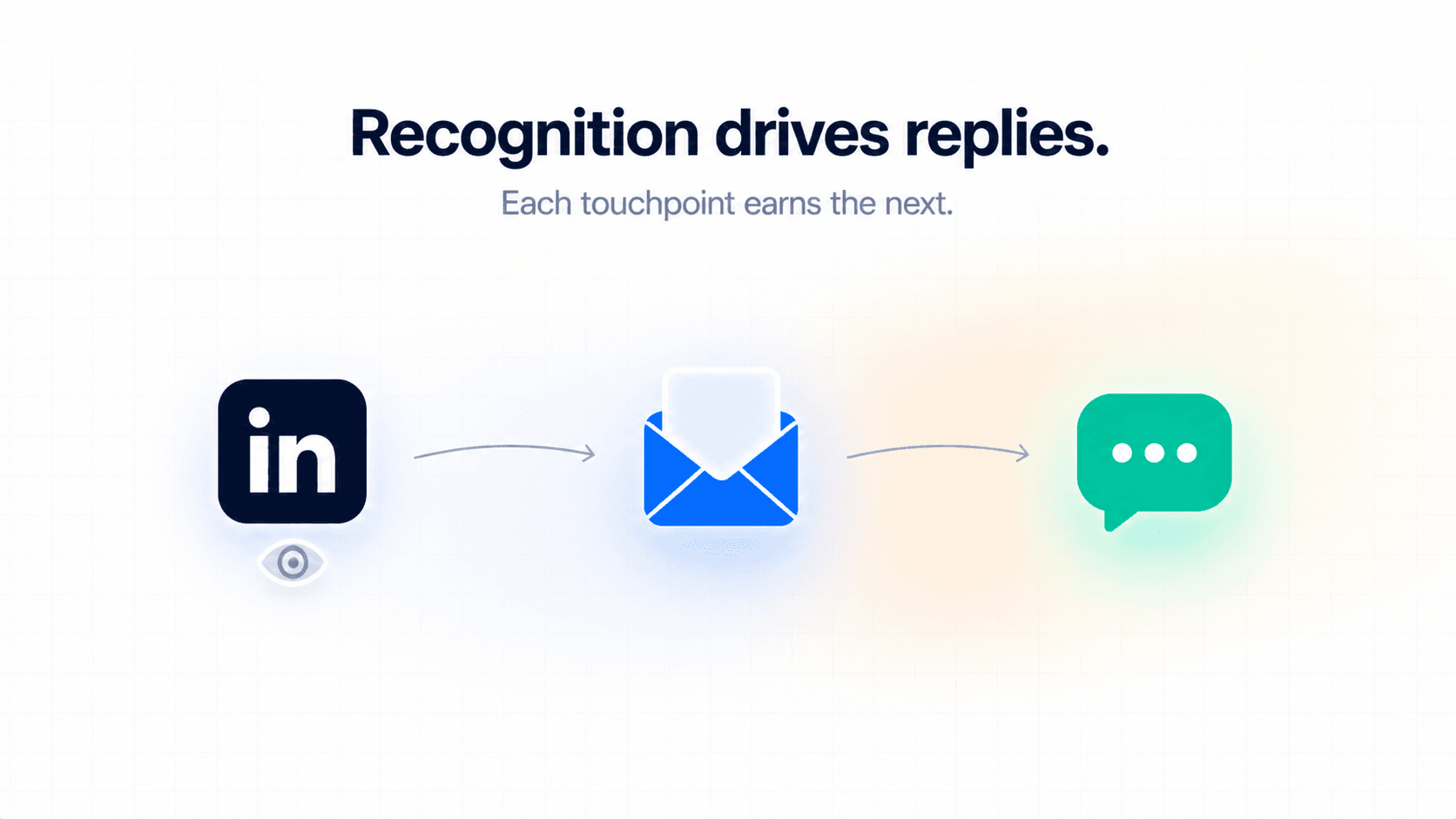
- A coordinated multichannel sequence runs: LinkedIn profile view → connection request → cold email → LinkedIn follow-up → email follow-up — each step earns the next
- Most multichannel attempts fail because teams run both channels simultaneously rather than in sequence — timing and order matter more than volume
- AI personalization applied consistently across both channels — using the same prospect data — increases reply rates without adding manual effort
- SalesTarget.ai connects LinkedIn and email outreach in one coordinated system — sequences, scheduling, personalization, and reply management unified
Most Outbound Teams Are Running Two Campaigns to the Same Person and Wondering Why It Is Not Working
B2B buyers receive an average of 121 emails per day. Cold email open rates have dropped to 20–25% industry-wide, and LinkedIn connection acceptance rates average 28% for cold outreach. Run either channel alone and the math works against you before you write a single word. Run them together — in the right sequence — and the same prospect who ignored your email on Thursday remembers the name from a LinkedIn request on Tuesday.
That is the entire mechanism. And most outbound teams are not using it.
Why LinkedIn and Email Work Better Together
The reason multichannel outreach outperforms single-channel is not volume — it is recognition. When a prospect receives a cold email from someone who has already viewed their LinkedIn profile and sent a connection request, they are not reading a message from a stranger. The cognitive friction that kills cold email response rates — who is this, why are they contacting me, can I trust this — is already partially resolved before the email lands.
Email brings depth and a direct reply mechanism that does not require the prospect to be logged into any platform. LinkedIn brings live professional credibility — a real profile that validates who you are before the email ever arrives. Together, they close the trust gap that makes standalone cold email so difficult to scale in 2026.
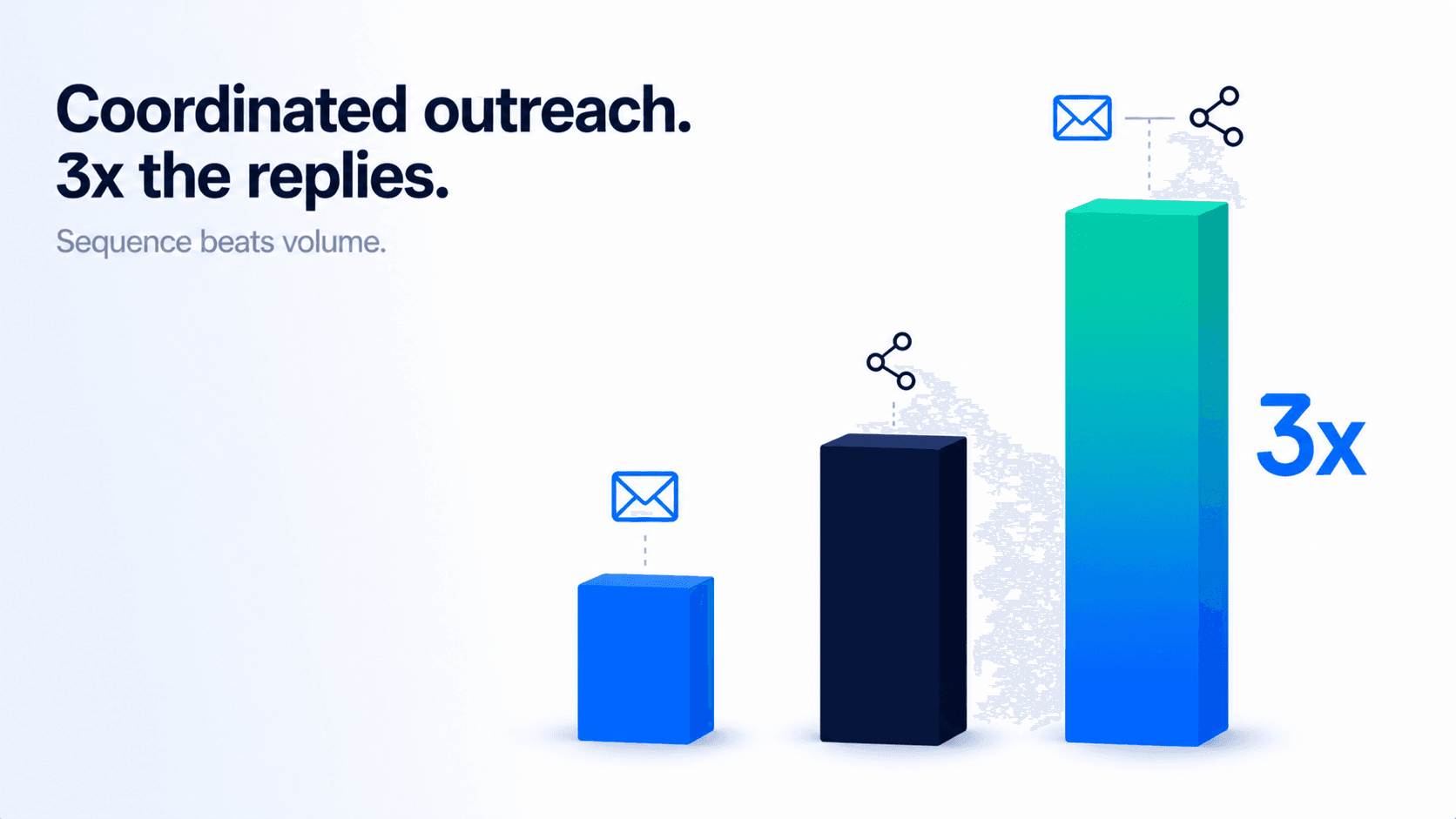
The result is consistent across outbound research: coordinated multichannel outreach produces reply rates of 8–15%, compared to 2–5% for cold email alone. That is the origin of the 3x figure cited across outbound sales literature. The caveat is that the gain requires coordination — a poorly timed multichannel sequence can underperform a well-executed single-channel campaign.
The Sequence That Actually Works: Step by Step
Most multichannel playbooks describe the concept without being specific about timing. Timing is where most teams break the system. Here is the sequence structure that consistently performs for B2B outbound across industries:
| Step | Channel | Action | Timing | Why it works |
|---|---|---|---|---|
| 1 | Profile view | Day 1 | Creates a passive first impression. Many professionals check who viewed their profile — no commitment required from the prospect. | |
| 2 | Connection request with a brief, non-pitchy note | Day 2 | A connection request after a profile view feels natural. A note of 20–30 words referencing something specific about their role outperforms a blank request by a wide margin. | |
| 3 | First cold email | Day 3–4 | Arrives after two LinkedIn touchpoints — accepted or not. The email is no longer cold. It arrives in a context of recognizable outreach from a name they have already seen. | |
| 4 | Follow-up message if connected; second profile view if not | Day 6–7 | If connected: a brief LinkedIn message referencing the email reinforces the thread across channels. If not: a second profile view keeps you visible without pressure. | |
| 5 | Second follow-up email | Day 9–10 | Short, 3–4 sentences. Different angle or use case from the first email. Does not repeat the same ask — it advances the conversation. | |
| 6 | Content engagement — like or comment on a recent post | Day 13–14 | Engaging with a prospect's LinkedIn content triggers a notification and builds genuine familiarity. This is not a pitch — it is a relationship signal that keeps the sequence alive without pressure. |
This is a 14-day, 6-touchpoint sequence across two channels. Each step is purposeful. The frequency is not high — what makes it work is that every touchpoint reinforces the others rather than repeating the same ask in a different format.
Where AI Personalization Fits In
The most common objection to multichannel sequences is operational: personalizing six touchpoints per prospect at scale is not realistic. That was true two years ago. It is not accurate now.
AI personalization applied to LinkedIn messages and email sequences can now generate contextually relevant, role-specific messages from the same underlying prospect data — company news, job title, tech stack, recent hiring signals — without a human writing each one from scratch.
The distinction that matters for reply rates: generic personalization ("I noticed you work at {Company}") is now so widely recognized as automated that it actively undermines credibility. Specific personalization — a message that references what is actually happening at that company right now — creates genuine relevance. Prospects cannot always tell whether a message was written by a person or AI. They can always tell whether it is relevant to them.
For multi-channel B2B prospecting to work at scale, personalization needs to be consistent across both channels using shared prospect data. A LinkedIn connection request referencing one angle and a cold email referencing a completely different angle creates confusion, not familiarity.
The Mistakes That Break Multichannel Sequences
Running both channels at the same time instead of in sequence
The most frequent mistake: enrolling a prospect in a LinkedIn sequence and an email sequence simultaneously, both running on independent schedules. This produces two disconnected streams of outreach rather than a coordinated conversation. The prospect receives a LinkedIn message and a cold email on the same day from the same sender, with no reference to each other. It reads as disorganized, not persistent.
Sending the same message across both channels
Each channel has a distinct format, tone, and acceptable length. A LinkedIn connection note that reads like a cold email gets rejected immediately. A cold email that reads like a LinkedIn message lacks the depth that email allows. The channels should complement each other — LinkedIn creates context, email expands on it.
No unified reply management
A prospect who replies on LinkedIn and then receives a scheduled email follow-up two days later has had a poor experience. Managing replies across two channels manually at any meaningful scale is not realistic. The sequence needs to pause automatically when a reply arrives on either channel. Without this, multichannel outreach becomes a liability, not an asset.
Ignoring LinkedIn rate limits
LinkedIn enforces limits on connection request volume and automated messaging frequency. Accounts that exceed these or exhibit non-human sending patterns risk restriction — which collapses the entire sequence for every prospect in the pipeline at once. Safe LinkedIn automation requires deliberate rate limiting and human-like sending patterns, particularly at team scale.
Coordinated Multichannel vs Single-Channel: The Performance Gap
The performance difference between coordinated multichannel sequences and single-channel outreach is consistent across outbound research. The key variable is not which channel leads — it is whether the channels are coordinated.
| Outreach approach | Typical reply rate | Typical meeting booked rate | Primary failure mode |
|---|---|---|---|
| Cold email only | 2–5% | 0.5–1.5% | No prior recognition — email arrives cold from an unknown sender |
| LinkedIn outreach only | 5–10% connection acceptance; 15–25% reply post-connection | 1–3% | Platform limits cap volume; message length limits depth |
| LinkedIn + email (uncoordinated) | 3–6% | 0.8–2% | Channels feel disconnected; prospect confusion undermines trust |
| LinkedIn + email (coordinated sequence) | 8–15% | 3–6% | Operational complexity — requires unified scheduling, personalization, and reply management |
When to Lead With LinkedIn vs Email
Which channel leads your multichannel sequence depends on your ICP and your own LinkedIn presence.
📋 Channel lead decision guide
- Lead with LinkedIn when your target prospects are active on the platform — posting regularly, engaging with content, recently updated profiles. Decision-makers at VP and C-suite level in B2B SaaS are typically active LinkedIn users. A profile view and connection request from a credible profile creates a strong first impression before the email arrives.
- Lead with email when your target prospects are less active on LinkedIn — sparse profiles, infrequent updates, or industries where LinkedIn engagement is lower. A well-crafted first email followed by a LinkedIn touch creates the same familiarity effect in reverse: the email establishes the message, the LinkedIn request gives the prospect a way to verify who you are before deciding whether to reply.
Both approaches work. The wrong approach is treating the decision as arbitrary. Match the lead channel to where your prospect actually spends their time.
Building the Infrastructure Behind the Sequence
A single SDR can manage 20–30 LinkedIn touchpoints per day manually. A team of five needs a coordinated system — shared reply visibility, consistent messaging, campaign-level analytics, and scheduling that respects LinkedIn's rate limits without manual timing.
On the email side, cold email outreach at scale requires a deliverability infrastructure — warmed inboxes, sender reputation management, inbox rotation across multiple sending accounts — to ensure emails land in the primary inbox rather than spam. The deliverability layer is invisible when it is working and catastrophic when it is not.
The operational challenge of multi-channel sales outreach is that both layers need to work well individually and in coordination. The reply management problem — knowing when a prospect has responded on either channel — becomes unsolvable without a unified inbox that monitors both. SalesTarget.ai's Unibox handles reply management across LinkedIn and email in one place, so a reply on either channel pauses the sequence automatically.
Run LinkedIn and email as one coordinated system — not two separate campaigns.
Sequences, scheduling, AI personalization, and unified reply management — all in one place.
✓ 50 credits ✓ 7-day trial ✓ No credit card required
Frequently Asked Questions

See It In Action: Book Your Free Demo
Get a personalized walkthrough and see how it works for your team.
Book My Demo →